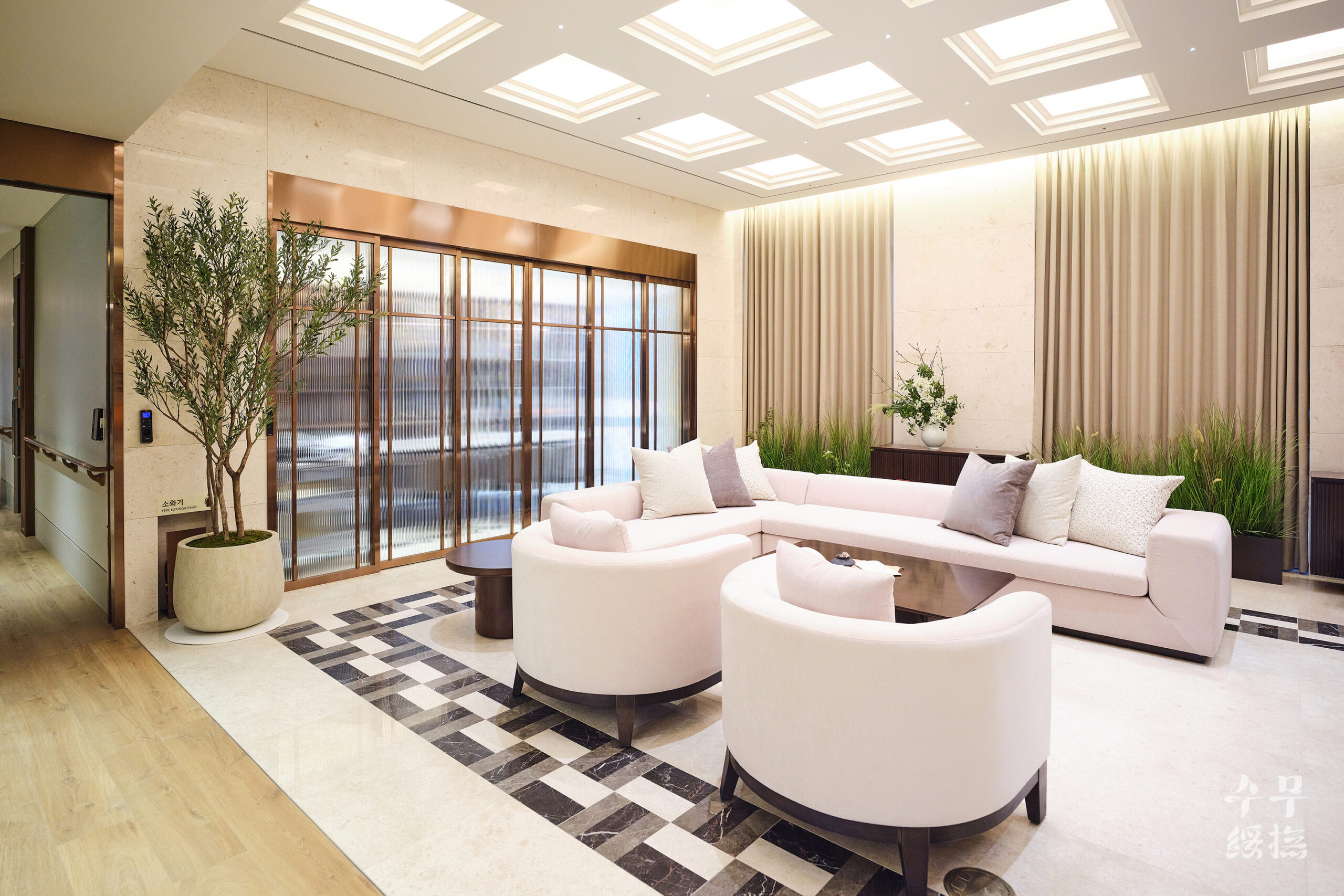
돌봄이 되는 공간 인지 케어(Cognitive Care)를 융합한 바이오필릭 디자인과 웨이파인딩 조경
Vision | 미학을 넘어, 치유를 설계하는 바이오필릭 디자인
수무는 공간을 아름답게 가꾸는 가드닝 스튜디오(Gardening Studio)에서 출발하여, 자연이 사람의 삶 안에서 실질적인 위로와 기능을 수행하도록 설계하는 바이오필릭 디자인 스튜디오(Biophilic Design Studio)로 나아가고 있습니다.
이 방향이 가장 절실하게 요구되는 곳은, 자연과의 접점이 제한된 사람들이 머무는 공간입니다. 이동에 제약이 생겨 스스로 숲을 찾기 어려운 시니어 거주자들에게, 실내로 들어온 초록은 매일 마주하는 유일한 계절이자 세상과 연결되는 창구입니다.
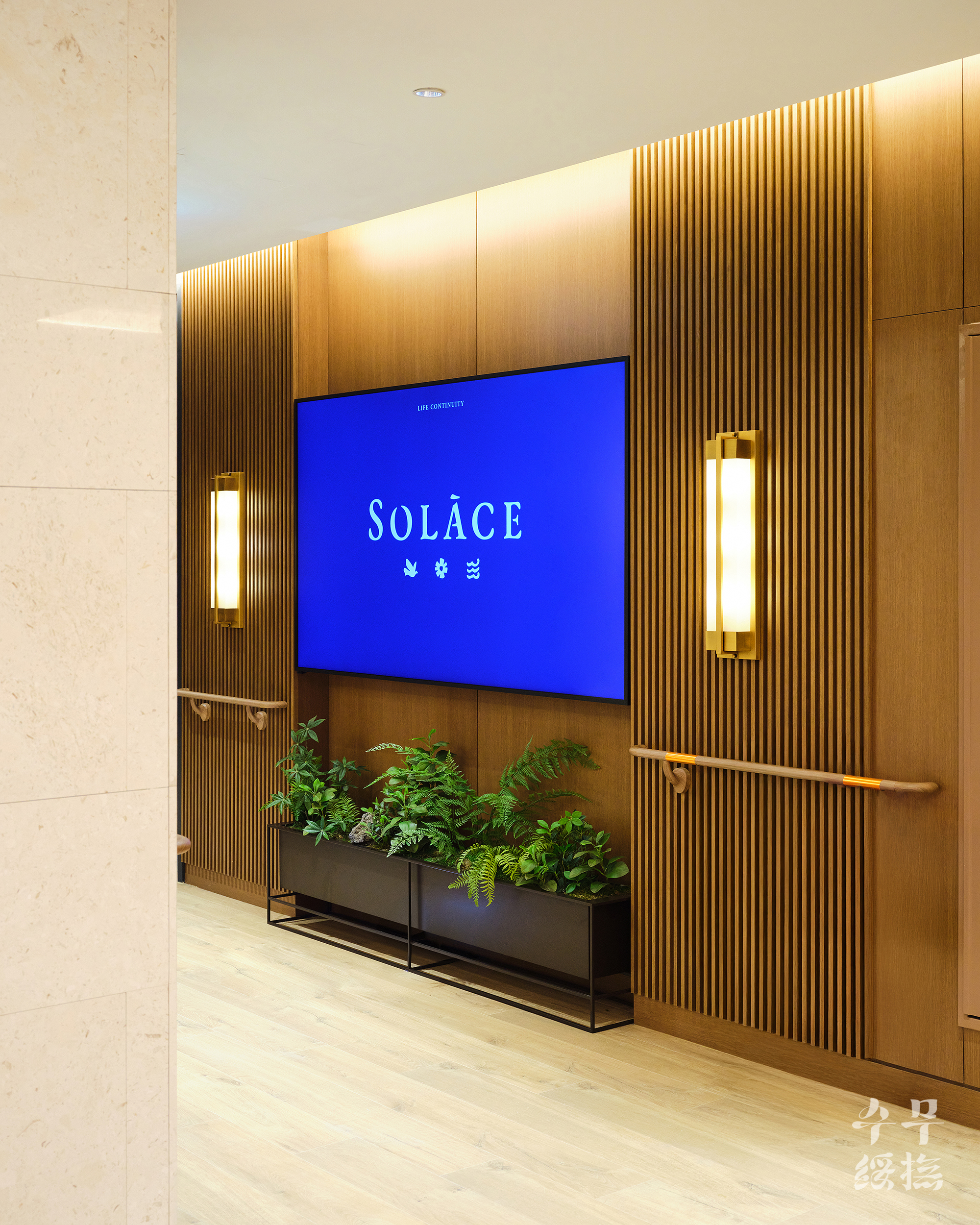
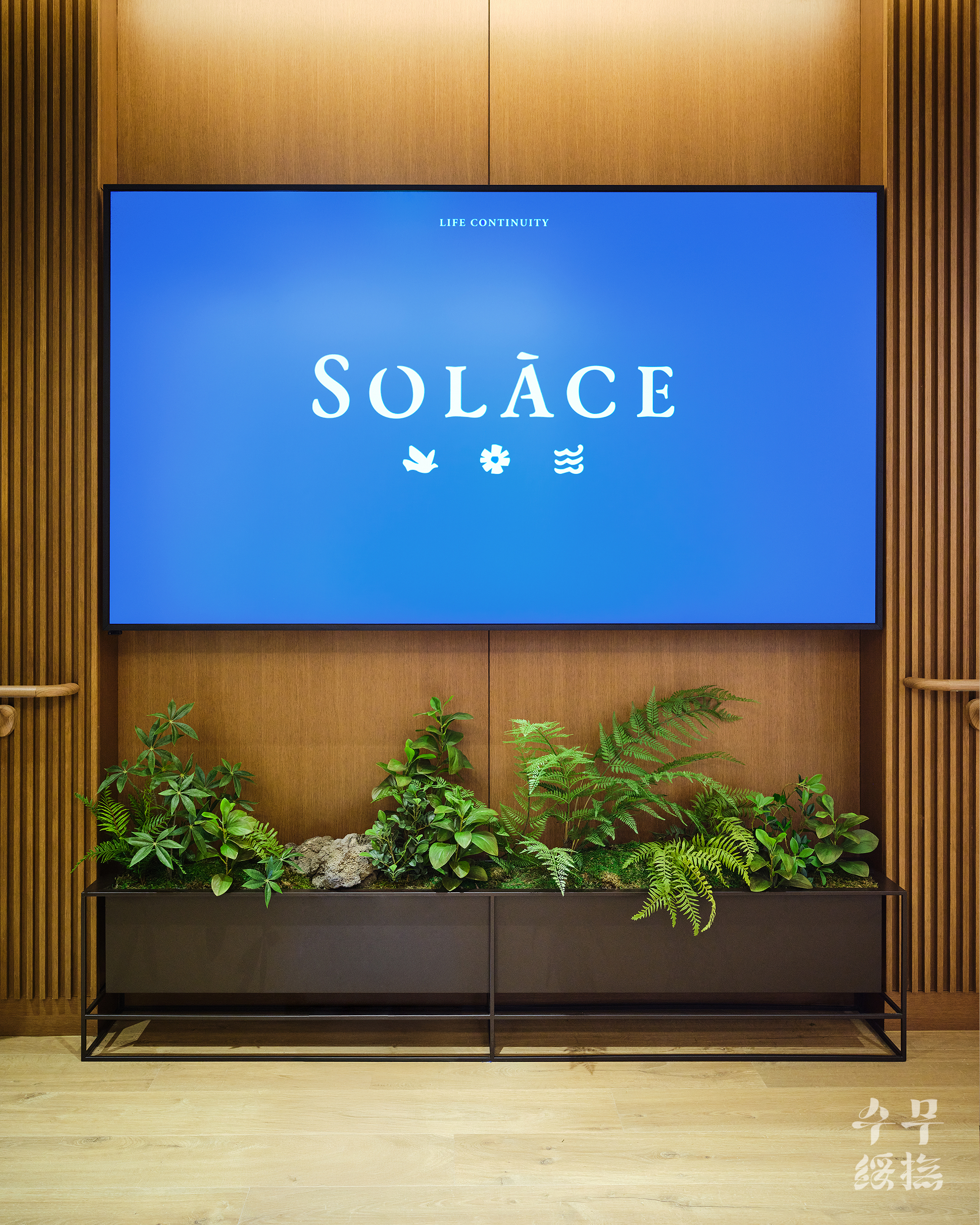
신한금융그룹의 프리미엄 시니어 케어 공간 ‘쏠라체 홈 미사’는 정확히 그 지점에 위치한 프로젝트였습니다. 수무는 이 공간이 요구하는 무게를 깊이 인식하며, 조경을 통해 실질적인 돌봄을 구현하고자 했습니다.
The Challenge | 반복되는 공간 구조가 만드는 인지적 리스크
설계에 앞서, 도면을 마주한 프로젝트 팀이 가장 오랜 시간 붙들고 있었던 질문이 있습니다.
“같은 구조가 반복되는 공간에서, 식물이 무엇을 해줄 수 있을까.”
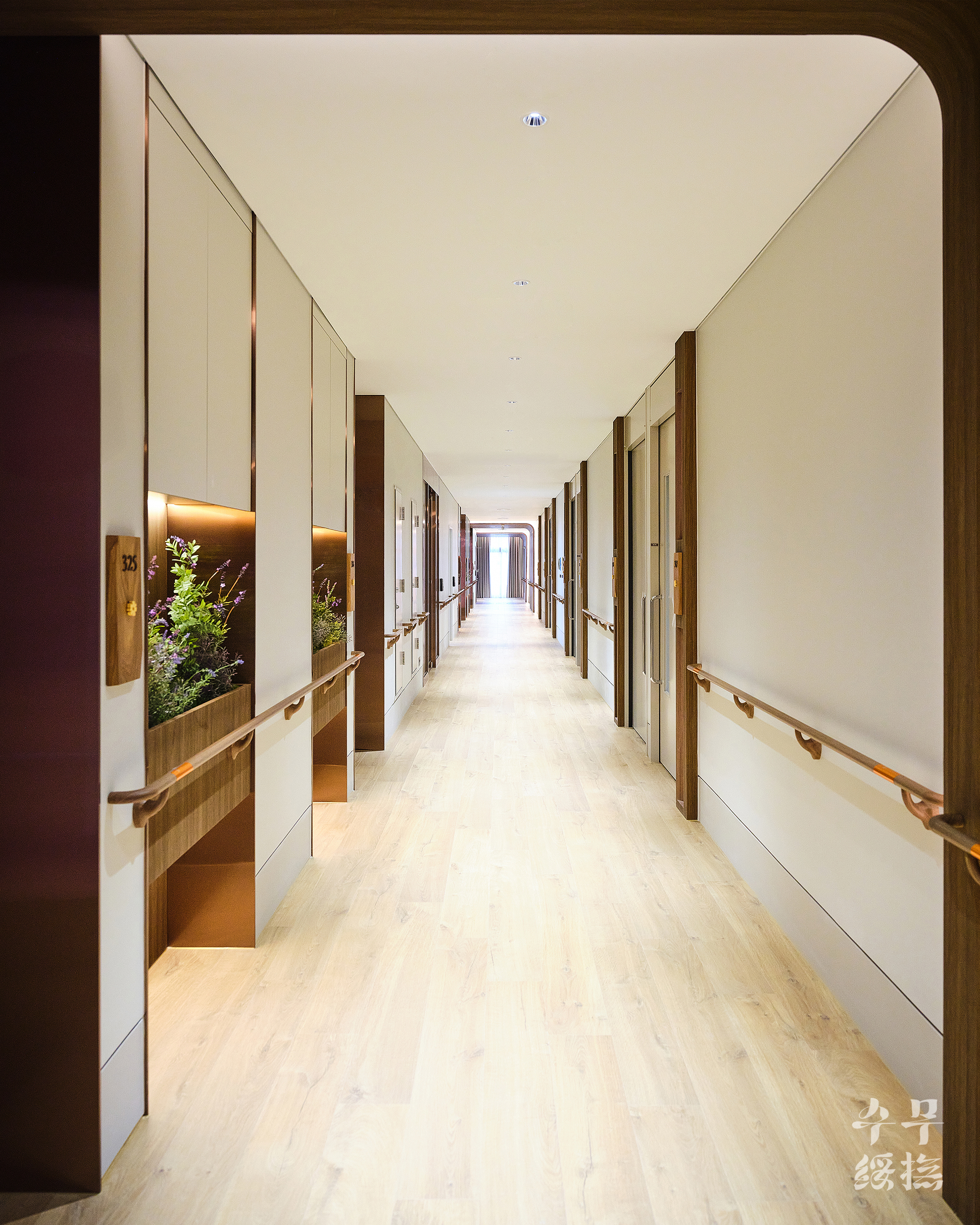
쏠라체 홈 미사는 운영 효율과 거주자 동선을 위해 매 층이 동일한 평면 구조로 설계되어 있습니다. 같은 복도, 같은 동선, 같은 문의 위치. 합리적인 건축적 판단이지만, 인지력이 점차 변화하는 시니어 거주자에게 이 완벽한 반복은 방향 감각의 혼란, 그리고 ‘여기가 어디인지 모르겠다’는 불안을 만들어낼 수 있는 요인이기도 합니다.
이 지점에서 조경의 역할은 근본적으로 달라져야 했습니다. 시각적 연출이 아니라, 거주자의 약해진 인지력을 보완하는 기능적 솔루션으로.
The Solution | 직관적인 이정표가 되는 ‘초록의 언어’
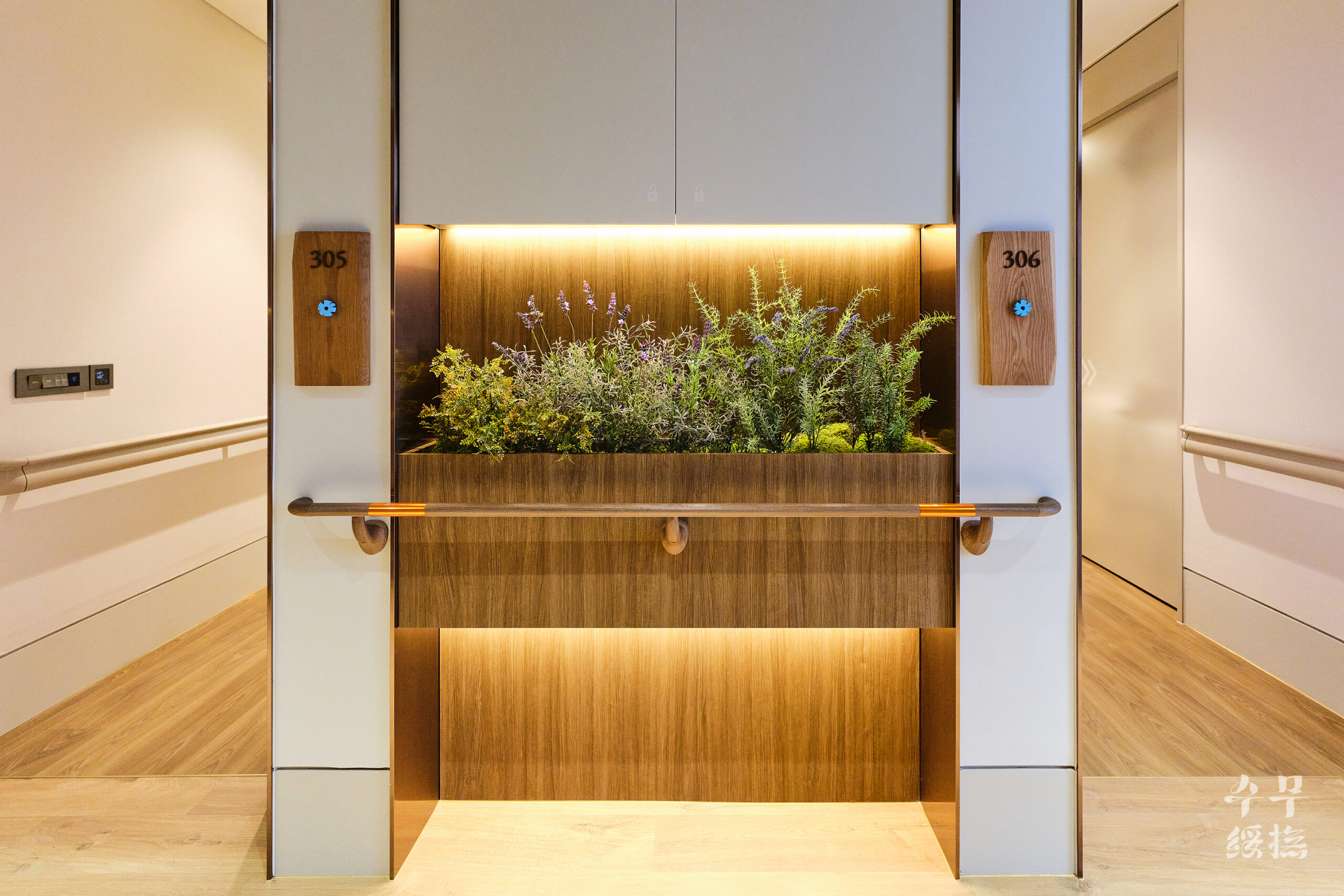
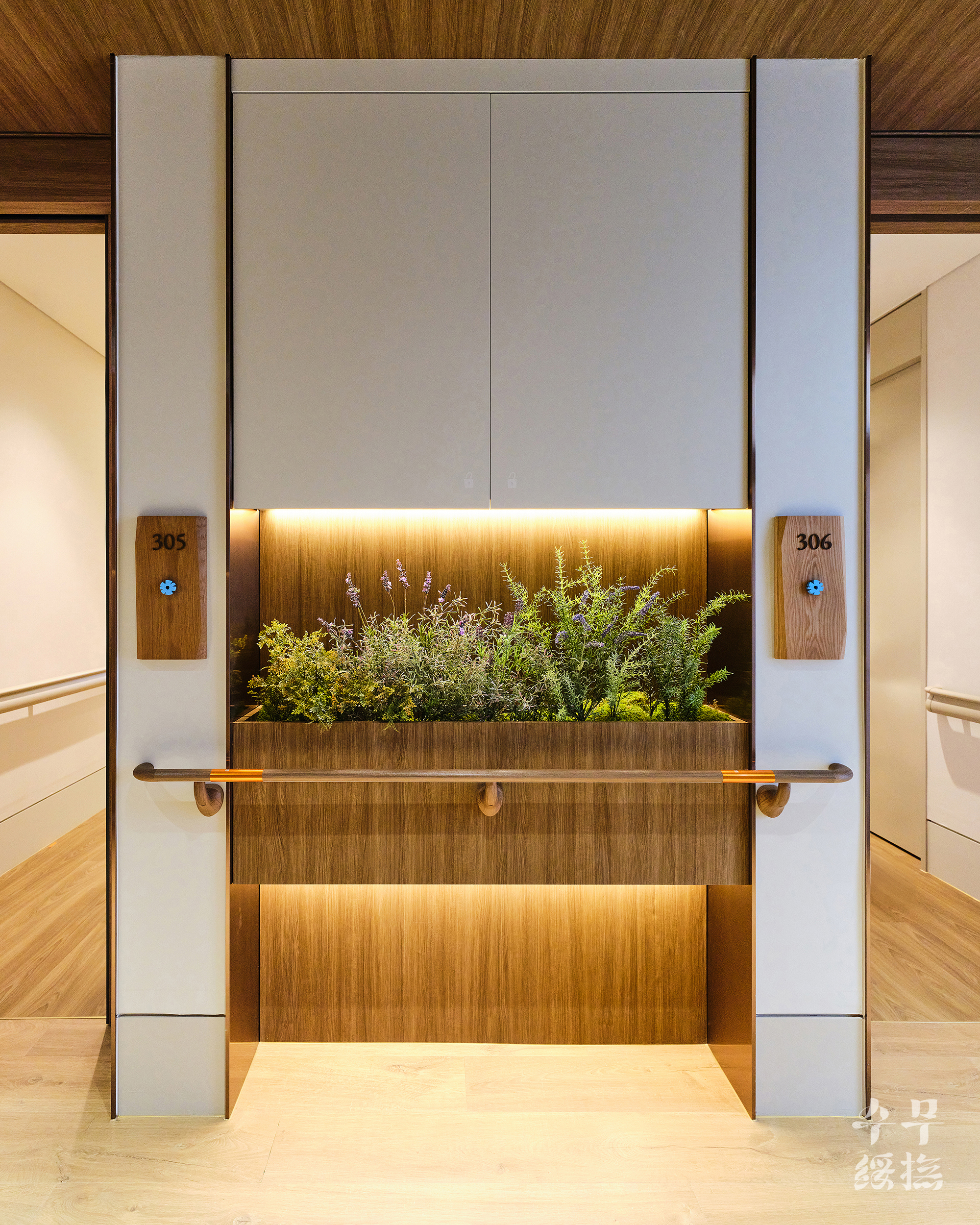
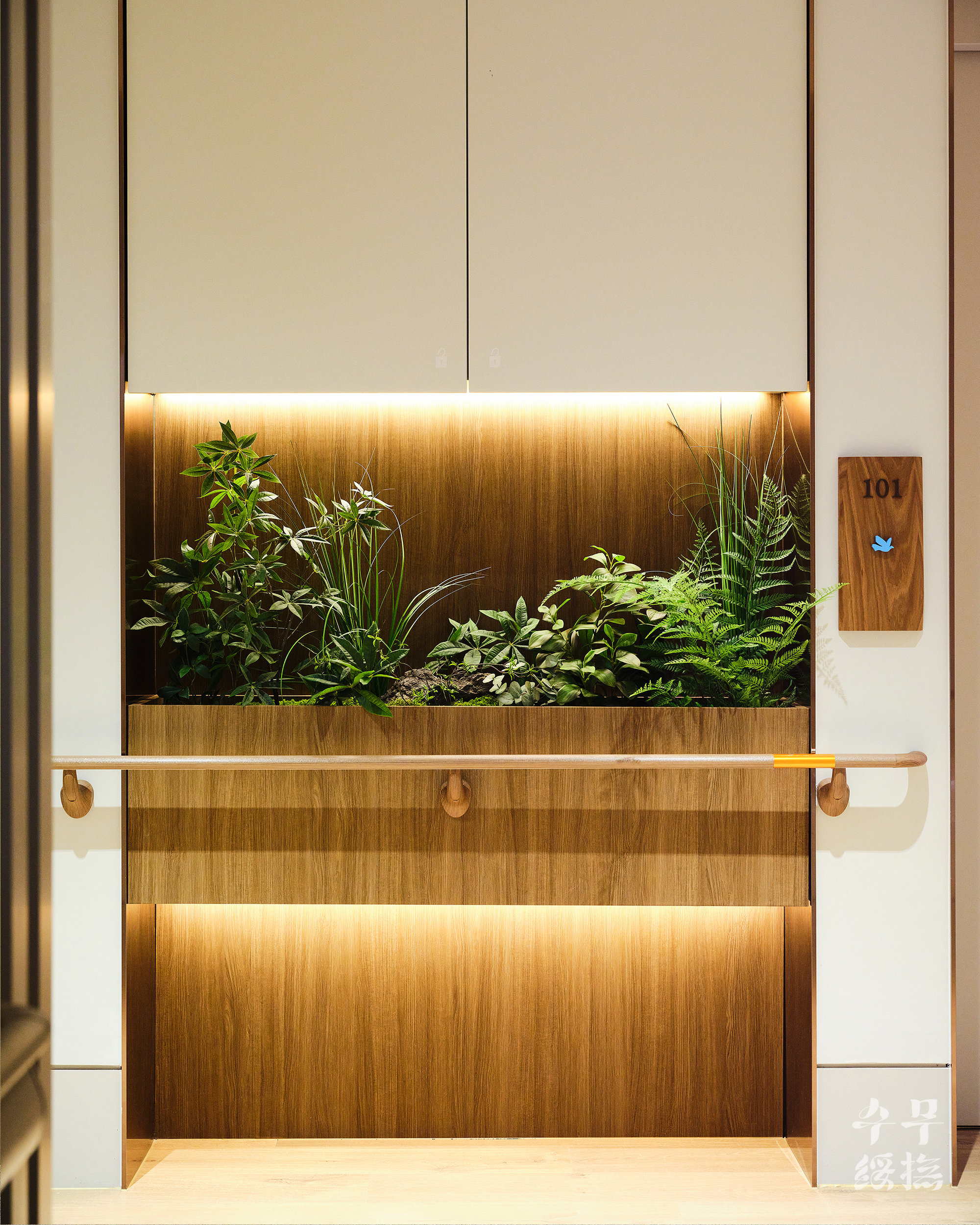
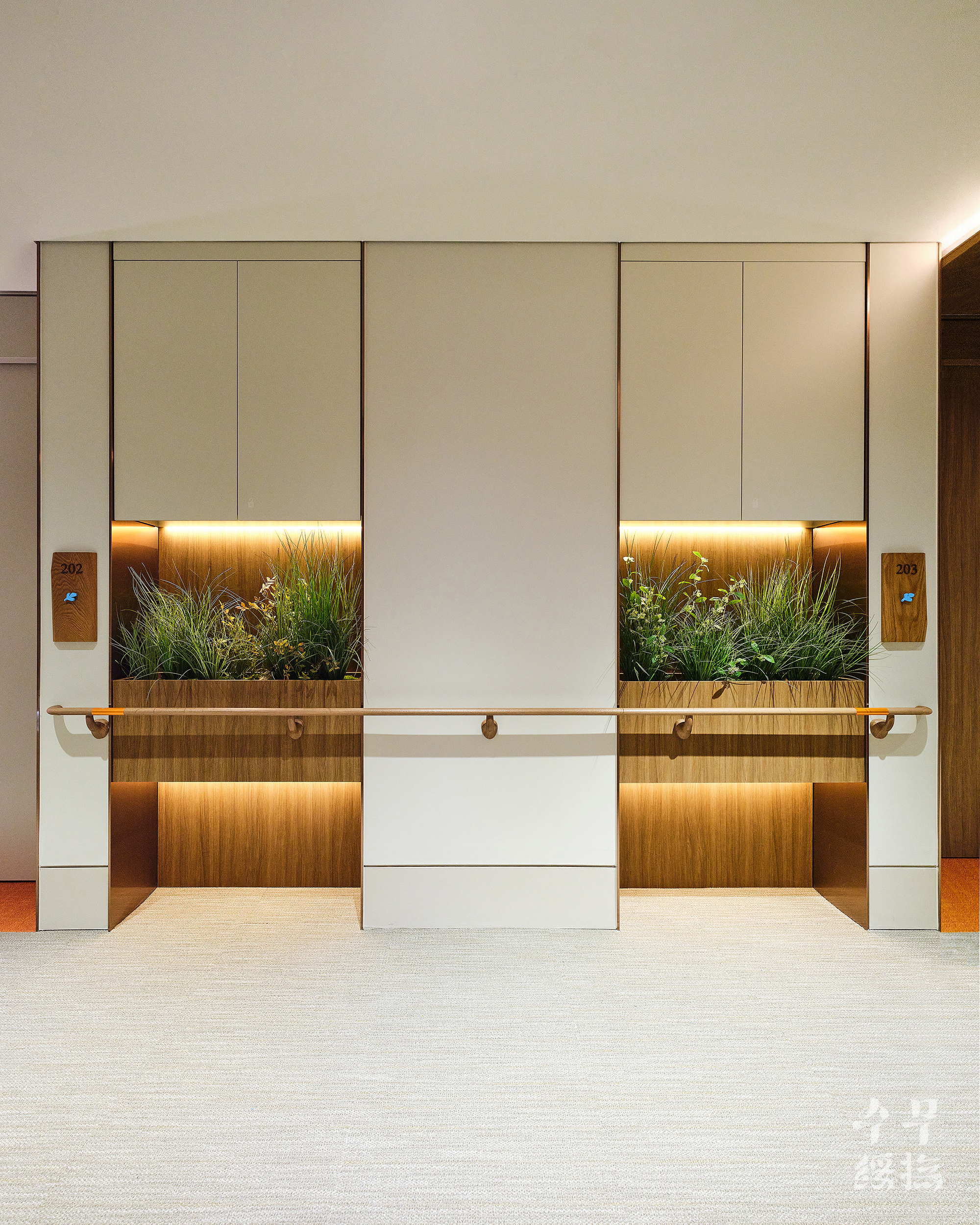
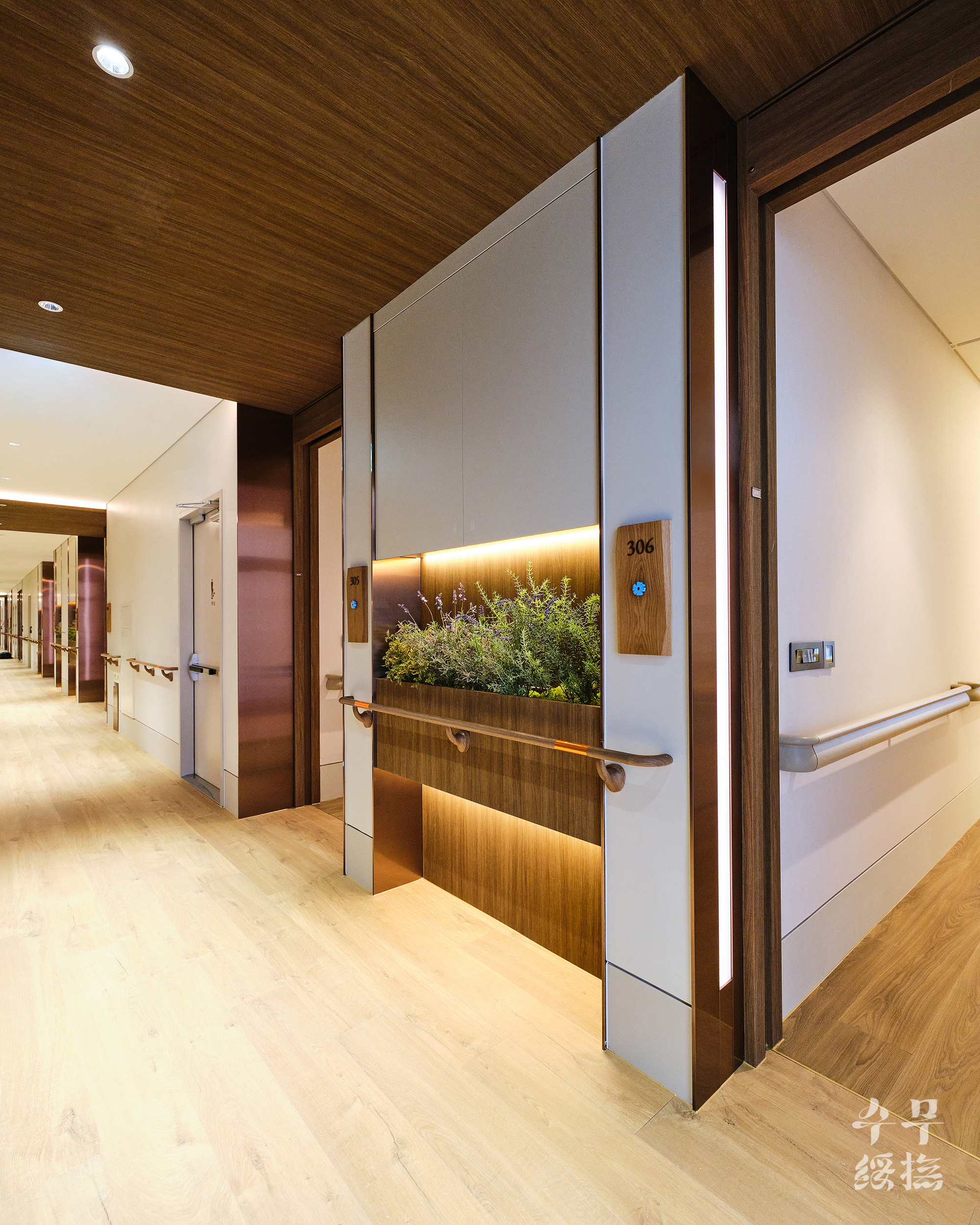
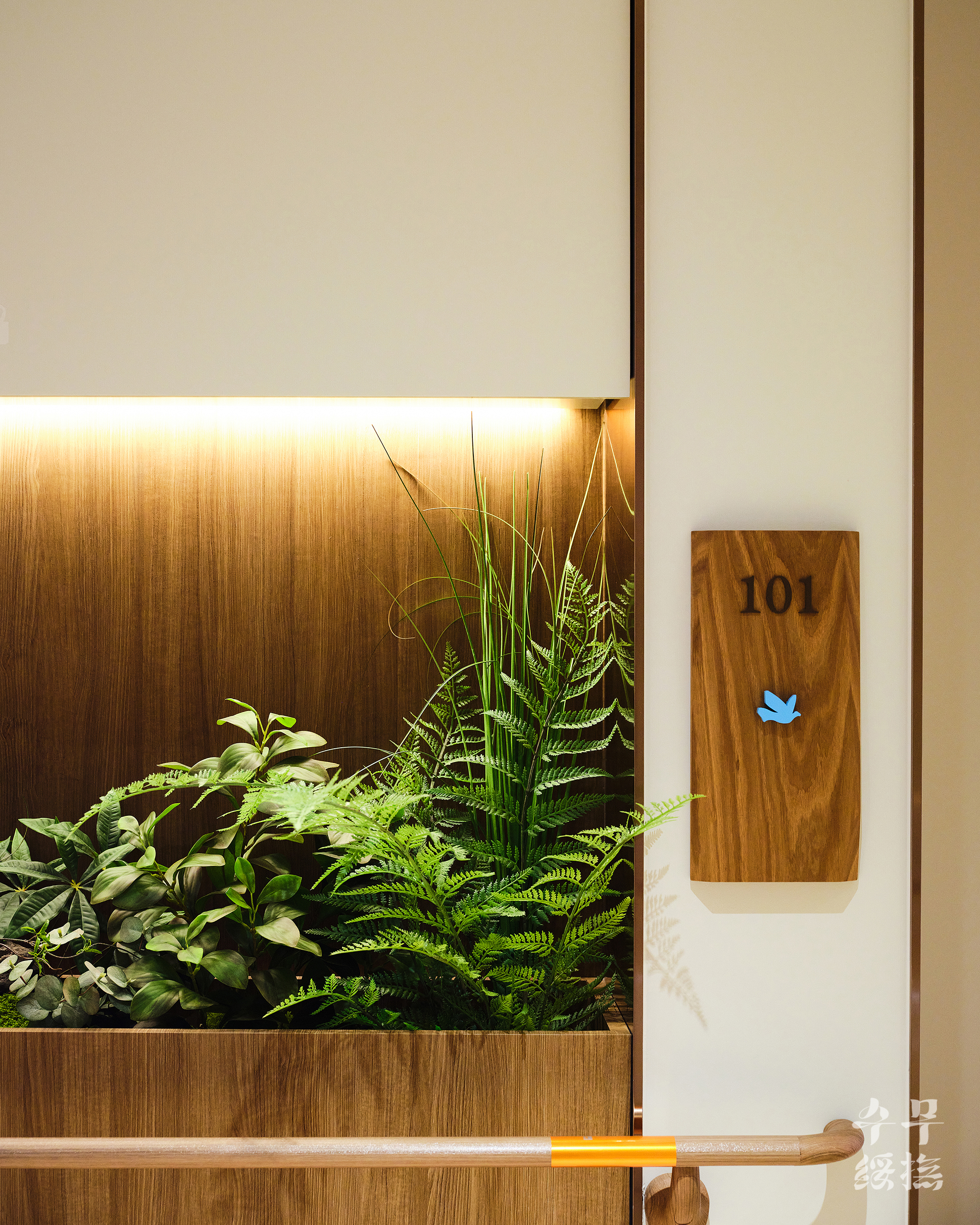
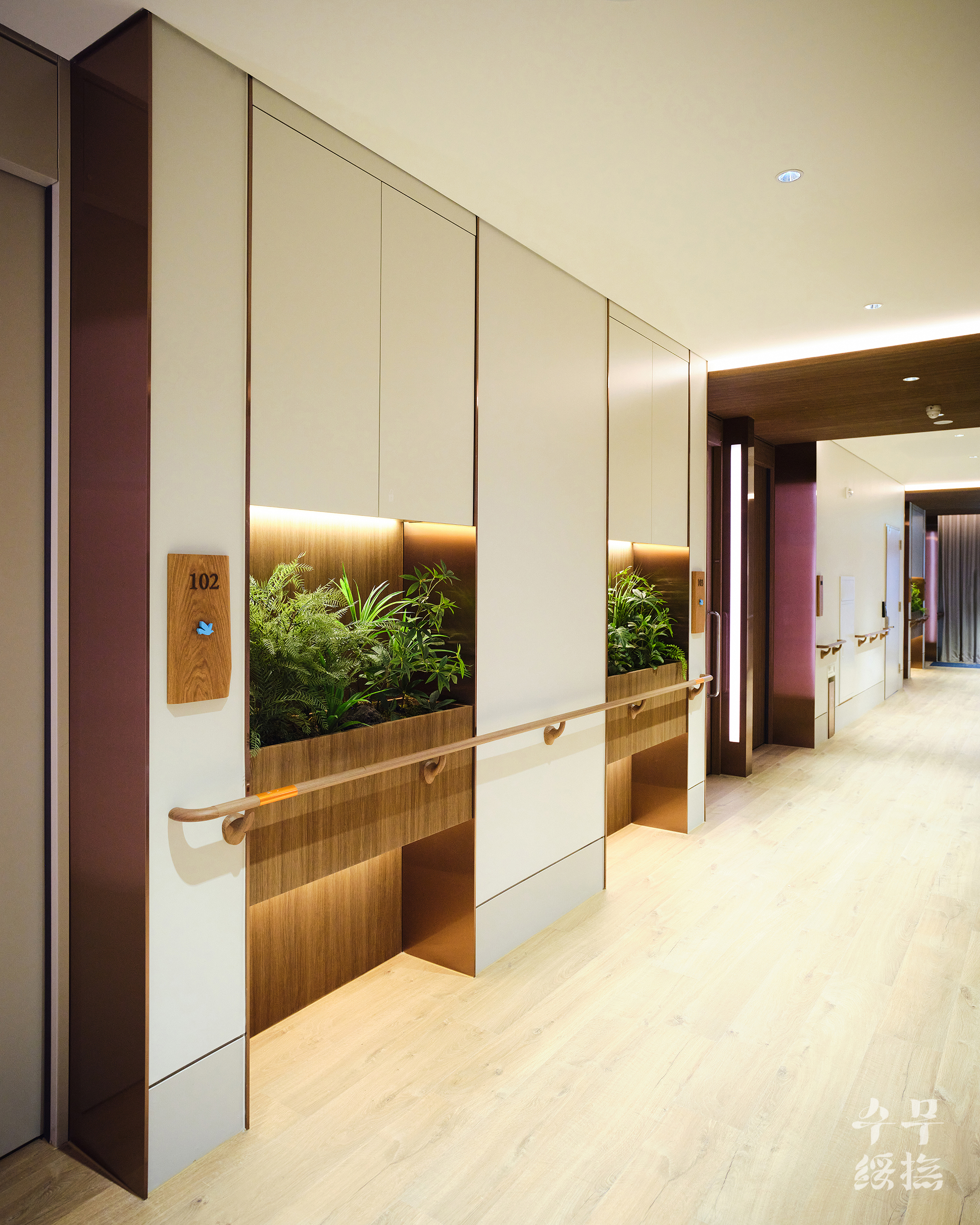
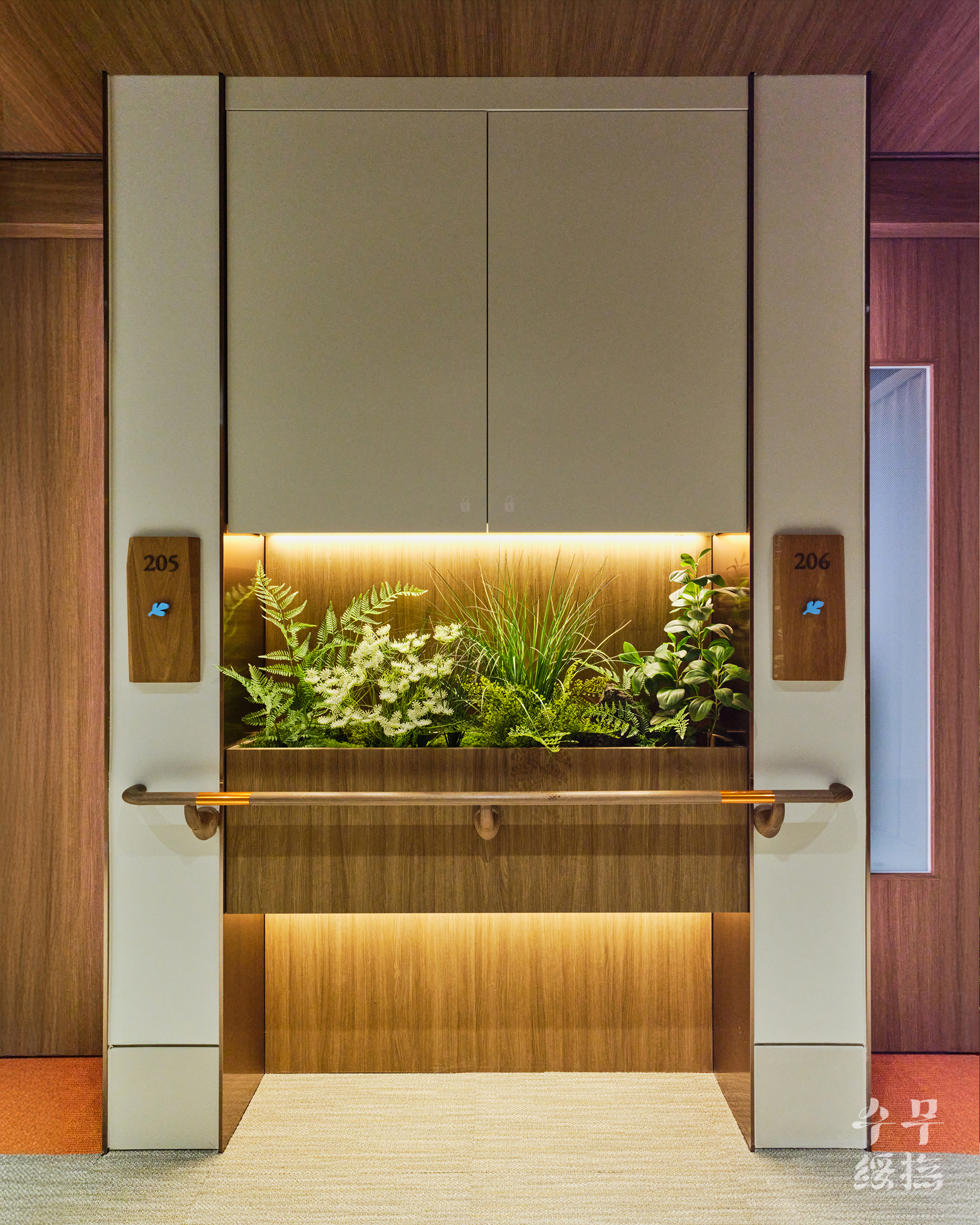
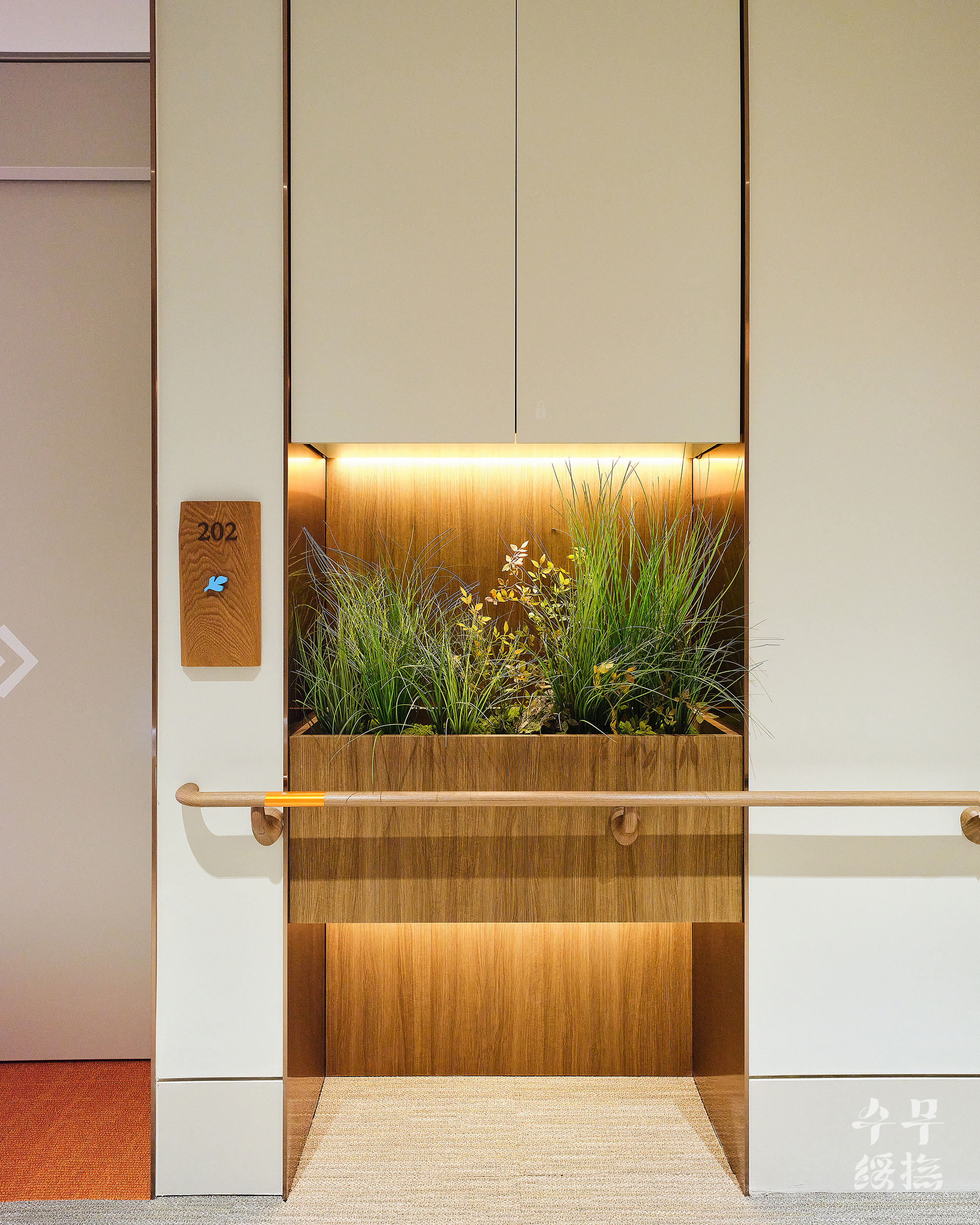
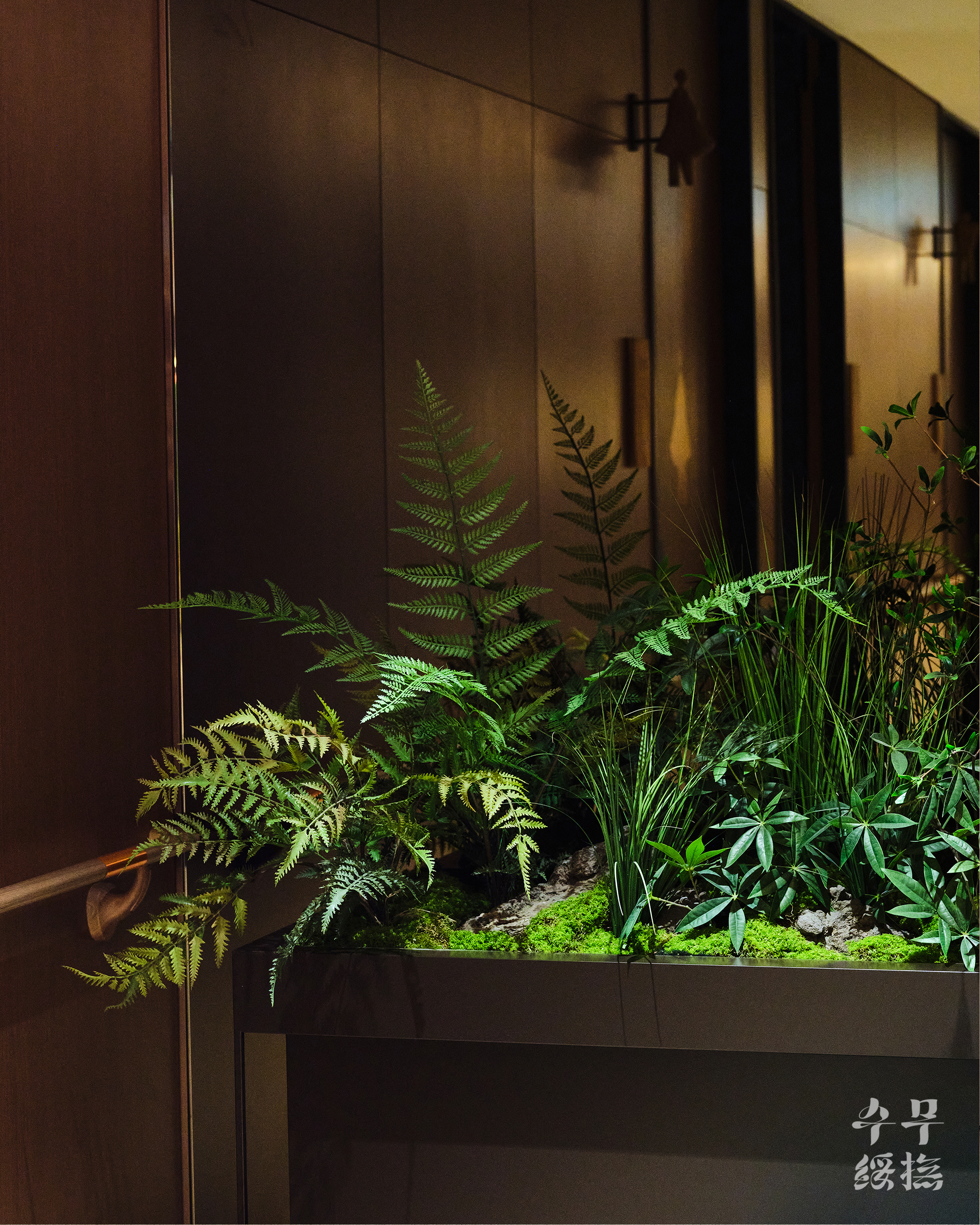
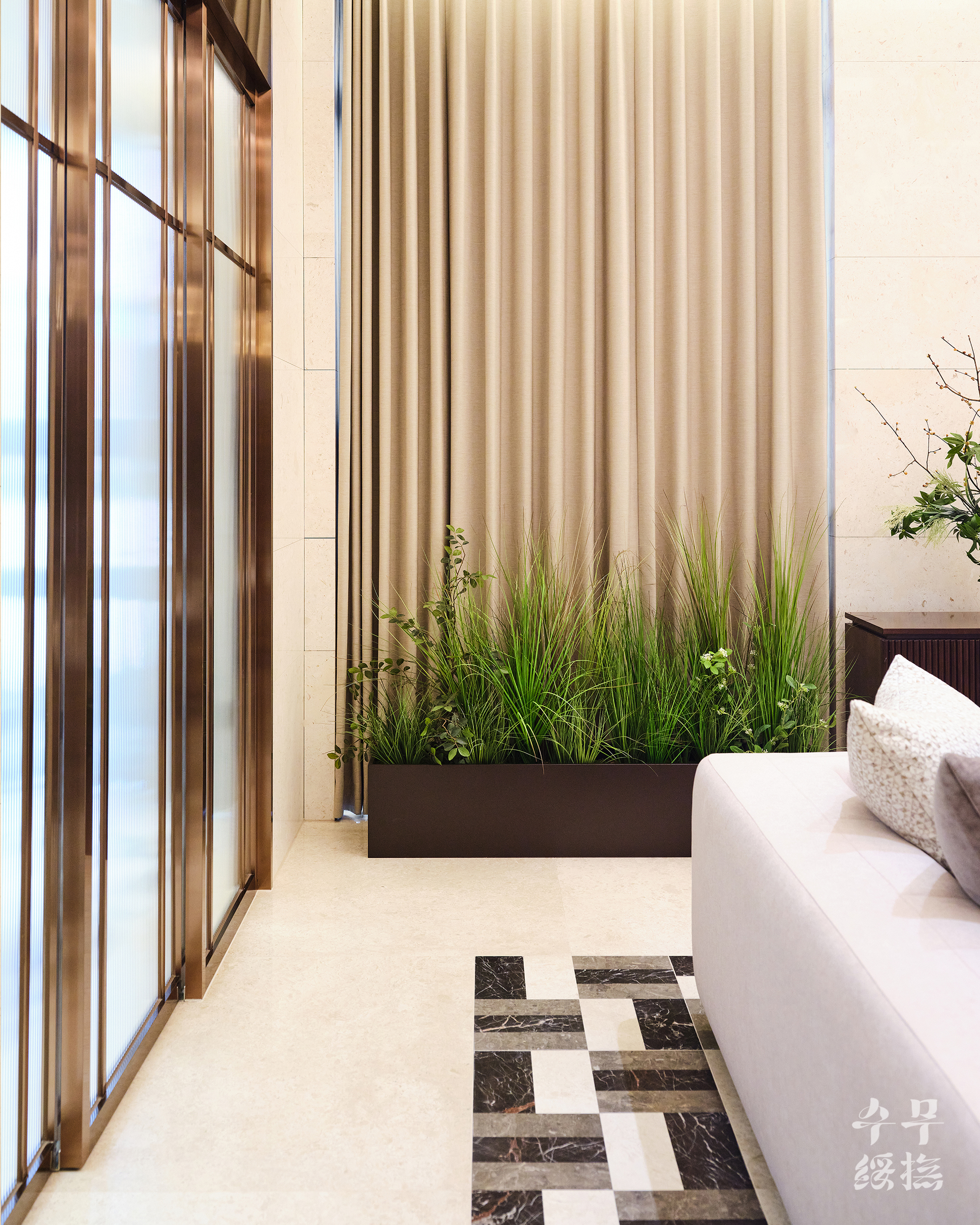
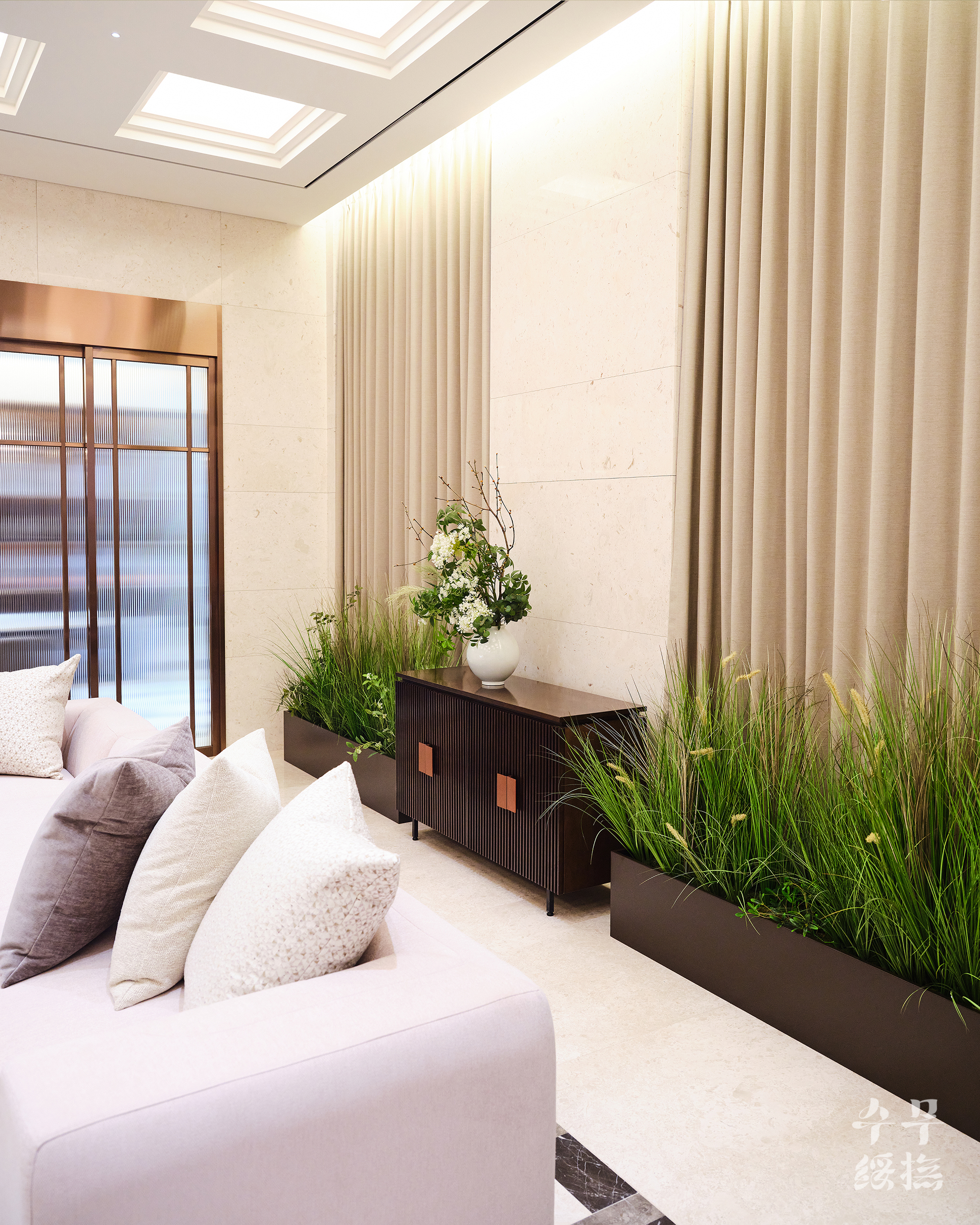
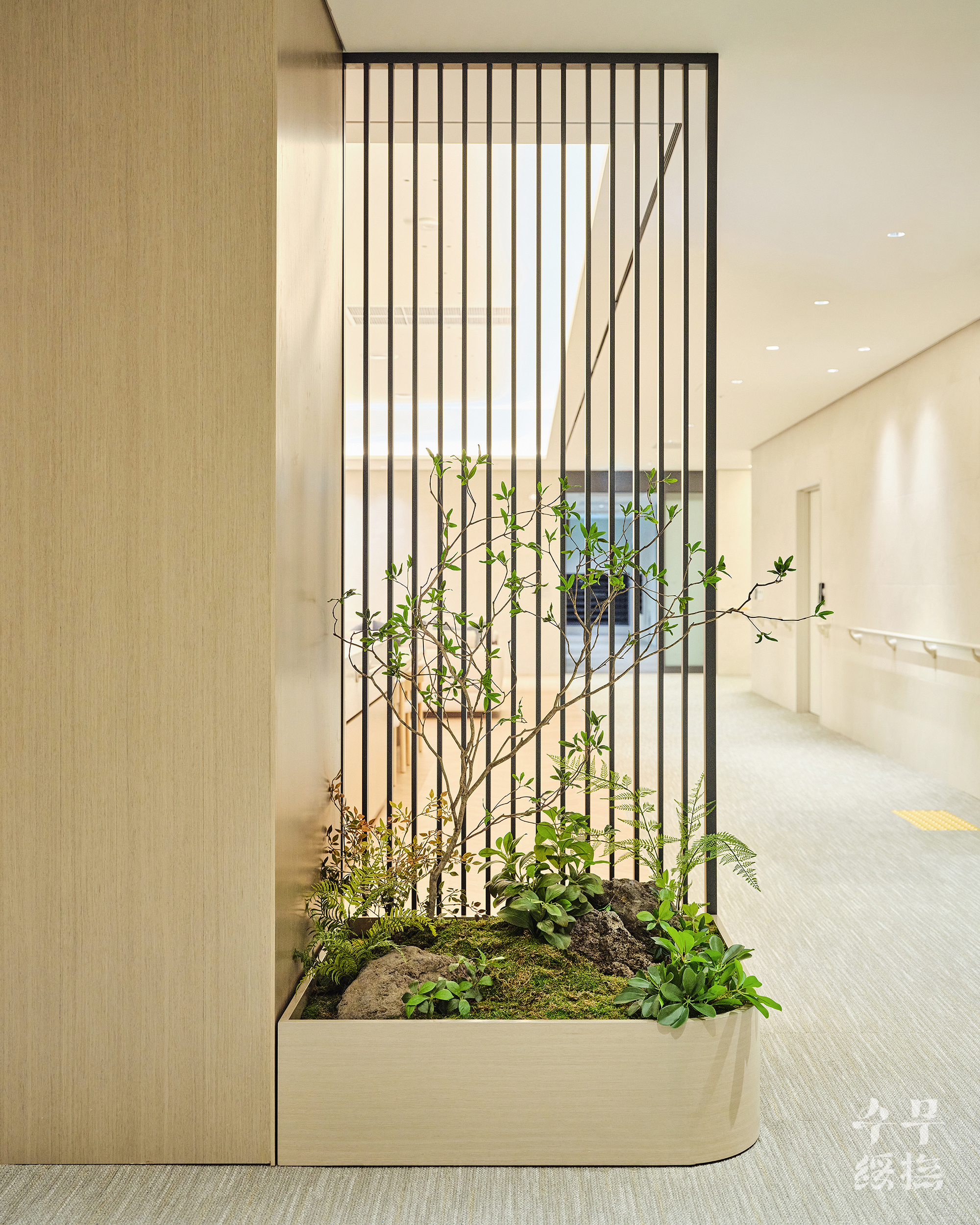
수무는 공간의 획일성을 극복하기 위해, 층마다 초록의 언어를 완전히 다르게 기획하는 인지 조경(Cognitive Landscaping) 솔루션을 도입했습니다.
숫자로 된 안내판이나 색상 코딩 같은 인위적 장치 대신, 거주자가 엘리베이터에서 내렸을 때 가장 먼저 마주하는 식물의 무드 자체가 위치 정보를 전달하도록 설계한 것입니다. 잎의 색감, 질감, 식재가 만들어내는 볼륨과 리듬을 층별로 확연히 다르게 큐레이션하여, 거주자가 자연의 표정만으로 “여기는 내가 아는 그 층”이라는 감각을 직관적으로 되찾도록 유도했습니다.
식물이 장식을 넘어 공간을 안내하는 이정표(Wayfinding)가 되는 순간, 조경은 돌봄의 일부로 작동하기 시작합니다.
Material Strategy | 공간의 조건이 소재를 결정합니다
시니어 케어 시설의 조경은 소재 선정 단계에서부터 일반적인 상업 공간과 근본적으로 다른 기준을 따릅니다.
첫째, 안전과 위생입니다. 보행 동선 위에서 식물이 물리적 방해 요소가 되어서는 안 되며, 흙의 노출이나 해충 발생 등 시니어 공간에서 용납할 수 없는 리스크를 원천적으로 배제해야 합니다.
둘째, 운영의 지속 가능성입니다. 케어 인력의 본업은 입주자의 돌봄입니다. 식물 관리가 현장에 추가 부담을 주어서는 안되며, 전문 조경팀의 상시 개입 없이도 365일 동일한 컨디션이 유지되어야 합니다.
셋째, 디자인 항상성입니다. 인지 조경의 핵심은 층별 무드의 일관된 유지에 있습니다. 계절이나 환경 변화에 따라 식재의 형태와 밀도가 변동되면, 거주자가 학습한 공간 감각이 흔들릴 수 있습니다. 웨이파인딩이 안정적으로 기능하려면, 시간이 지나도 설계 의도가 변하지 않는 소재 전략이 전제되어야 합니다.
수무는 이 세 가지 기준을 동시에 충족하는 최적의 소재와 방식을 도출하고, 이를 전체 설계의 출발점으로 삼았습니다.
Design Philosophy | 아름다움보다 안심, 자극보다 편안함
시니어 케어 공간에 초록을 들이는 일은 그 어떤 공간보다 신중해야 합니다. 시각적으로 화려한 아름다움보다 곁에 두어도 안전하다는 안심이 먼저 와야 하고, 트렌디한 자극보다 숨을 고르게 하는 편안함이 앞서야 합니다.
매일 마주쳐도 질리지 않고, 어느 날 문득 바라보았을 때 조용한 위로가 되어 있는 초록. 수무는 신체적·심리적 제약 속에서 살아가는 분들의 좁아진 일상 반경 안에, 가장 넓고 다정한 자연을 심었습니다.
식물을 식재하는 것을 넘어, 사람과 공간을 살리는 돌봄의 조경. 이것이 수무가 이 프로젝트를 통해 증명하고자 한 바이오필릭 디자인의 가치입니다.
ㅡ
Project: Solace Home Misa
Where Nature Becomes Care Biophilic Design and Wayfinding Landscaping Integrated with Cognitive Care
Project Overview
Client: Shinhan Life Care, Solace Home Misa
Location: Hanam, Gyeonggi Province, South Korea
Space Type: Premium Senior Care Facility
Scope: Interior landscaping design and installation for common areas and individual floors
Vision | Beyond Aesthetics — Designing Biophilic Spaces That Heal
SUMU began as a gardening studio, and is now evolving into a biophilic design studio — one that designs nature to serve as a source of genuine comfort and functional purpose within the spaces people inhabit.
This direction becomes most urgently needed in spaces where people have limited access to the natural world. For senior residents whose mobility constraints make it difficult to seek out nature on their own, indoor landscaping becomes the only season they encounter each day — a window that keeps them connected to the world beyond.
Solace Home Misa, Shinhan Financial Group’s premium senior care residence, was a project situated at precisely this intersection. SUMU approached this space with a deep awareness of what it demanded, and set out to deliver genuine care through landscaping.
Challenge | The Cognitive Risk of Repetitive Spatial Structure
Before any design work began, there was one question the project team spent the longest time grappling with:
“In a space where the same structure repeats on every floor, what can plants actually do?“
Solace Home Misa features an identical floor plan on every level — designed for operational efficiency and intuitive resident circulation. The same corridors, the same pathways, the same door placements. A rational architectural decision, but for senior residents experiencing gradual cognitive change, this perfect repetition can become a source of spatial disorientation and the unsettling feeling of not knowing where one is.
At this point, the role of landscaping had to fundamentally shift — from visual styling to a functional solution that compensates for residents’ declining cognitive orientation.
Solution | ‘The Language of Green’ as an Intuitive Wayfinding System
To overcome the uniformity of the space, SUMU introduced a cognitive landscaping solution that assigns an entirely distinct ‘language of green’ to each floor.
Rather than relying on artificial devices such as numbered signage or color-coded systems, the design ensures that the mood of the plants residents encounter the moment they step off the elevator communicates their location intuitively. The color palette of the foliage, the texture of the leaves, and the volume and rhythm created by each planting composition were curated to be distinctly different floor by floor — allowing residents to recognize, through the expression of nature alone, that “this is the floor I know.”
The moment plants transcend decoration and begin to function as wayfinding markers, landscaping starts to operate as an integral part of care.
Material Strategy | The Space’s Conditions Determine the Materials
In senior care facilities, landscaping demands a fundamentally different set of criteria from the very first stage of material selection — criteria that diverge significantly from those of typical commercial spaces.
First, safety and hygiene. Plants must never become physical obstacles along walking paths, and risks such as exposed soil or pest occurrence — unacceptable in senior living environments — must be eliminated at the source.
Second, operational sustainability. The primary responsibility of care staff is the wellbeing of residents. Plant maintenance must not impose additional burden on facility operations, and consistent condition must be maintained 365 days a year without requiring ongoing intervention from a professional landscaping team.
Third, design constancy. The core of cognitive landscaping lies in the consistent preservation of each floor’s distinct mood. If the form and density of plantings fluctuate with seasonal or environmental changes, the spatial cues residents have learned to rely on may be disrupted. For wayfinding to function reliably, a material strategy that preserves design intent over time is essential.
SUMU identified the optimal materials and methods that satisfy all three criteria simultaneously, and established this as the foundation of the entire design.
Design Philosophy | Relief Before Beauty, Comfort Before Stimulation
Introducing greenery into a senior care environment demands greater care and deliberation than in any other type of space. The reassurance of safety must come before visual splendor, and the comfort that steadies one’s breathing must take precedence over trendy stimulation.
Greenery that never tires the eye even when encountered daily, yet quietly becomes a source of comfort when one happens to pause and look. SUMU planted the most expansive and gentle nature it could within the narrowed daily radius of those living with physical and cognitive constraints.
Beyond planting — landscaping that sustains both people and the spaces they live in. This is the true value of biophilic design that SUMU set out to prove through this project.